Bench or pedestal filler
An operator presents the carton and requests the preset count using a guarded footswitch or pushbutton.

Counted components into boxes
Create controlled component quantities in rigid containers with engineered container presentation, batch separation and line handshakes.
Rigid-container filling
A completed batch cannot be released until the intended box is present and stable. After discharge, the container must remain controlled until the gate closes and the counter confirms it is safe to index.
For higher output, a two-position diverter or intermediate buffer can decouple counting from box change time.
Container handling
An operator presents the carton and requests the preset count using a guarded footswitch or pushbutton.
Boxes stop below the discharge, receive the batch and move after count-complete confirmation.
The finished count changes between two containers to reduce the dead time during box replacement.
Counted batches can feed compartments, returnable totes, assembly trays or line-side bins.
A chute, traversing head or container movement spreads parts or targets several positions.
Checkweighing, vision, label confirmation or production-data capture can follow the count.
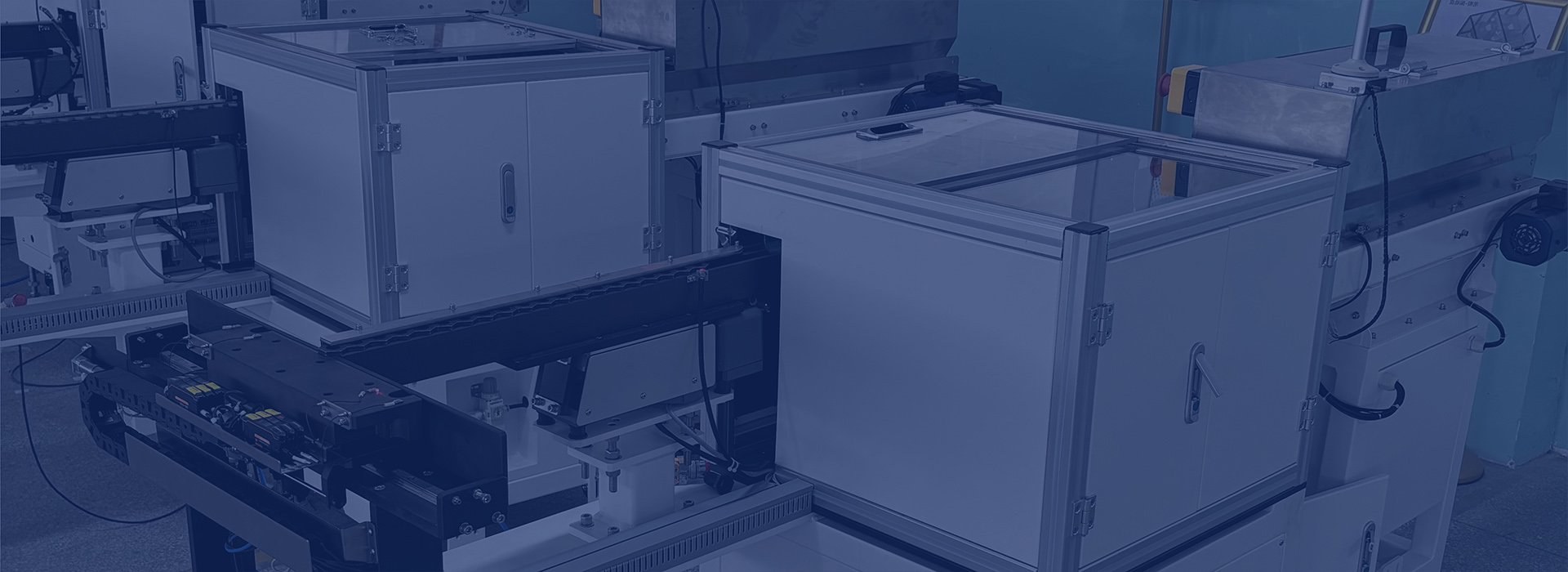
Box-filling design inputs
Frequently asked questions
Final suitability and performance remain subject to the actual component, operating conditions and agreed acceptance criteria.
Ask about your component →Yes. The discharge can be positioned above an operator-held carton, a supported box, a conveyor-indexed container or a diverter serving two positions.
Options include manual presentation, stop-gated conveyors, walking beams, turntables or robot handling. The counter and box movement exchange ready and complete signals.
Yes, subject to the required rate, feeder capacity and count confidence. A larger batch may use intermediate accumulation so counting can continue while containers change.
Yes. Container-present sensing and permissive logic can inhibit release until the correct box is detected and ready.
Yes. A checkweighing stage can provide a secondary gross-weight screen, provided pack tare variation and required tolerance are understood.
Start with the component
We will identify the most credible feeding and counting route, then define the evidence needed for the next decision.