One part on demand
An escapement separates one component and confirms it is ready for pick or transfer.
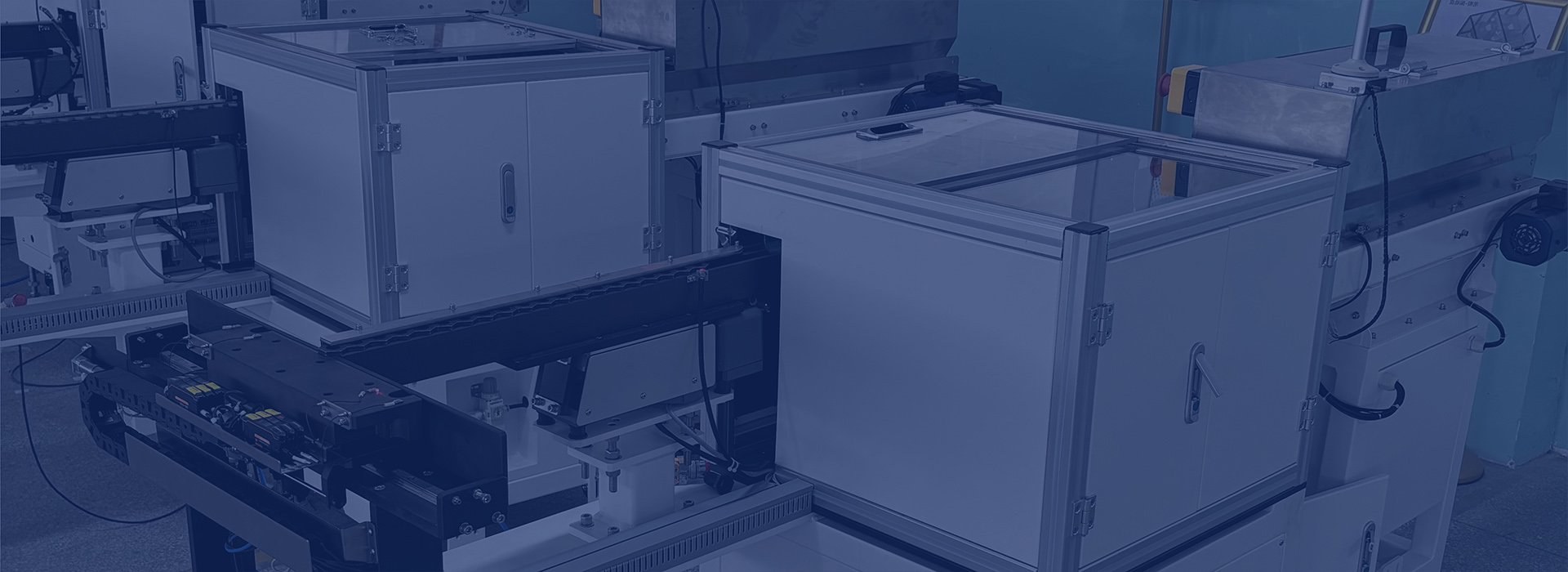
Counted parts on demand
Deliver one component—or one defined batch—on demand to an operator, nest, robot, insertion tool or receiving machine.
Point-of-use supply
A counted dispenser keeps the operator or machine supplied while controlling quantity at the exact point of use. It can reduce searching and repetitive counting, improve kit discipline and create a clear interface between bulk components and the assembly cycle.
The hand-off may be gravity-fed, air-assisted, nested, conveyed or robot picked.
Delivery modes
An escapement separates one component and confirms it is ready for pick or transfer.
A target quantity is released into an operator tray, tote or assembly fixture.
Parts travel to a remote point of use with geometry, block sensing and recovery considered.
A known pose or camera-located presentation supports automated picking and placement.
Diverters or separate channels serve several workstations or machine pockets.
Pick-to-light, confirmation and recipe logic support manual assembly without manual counting.
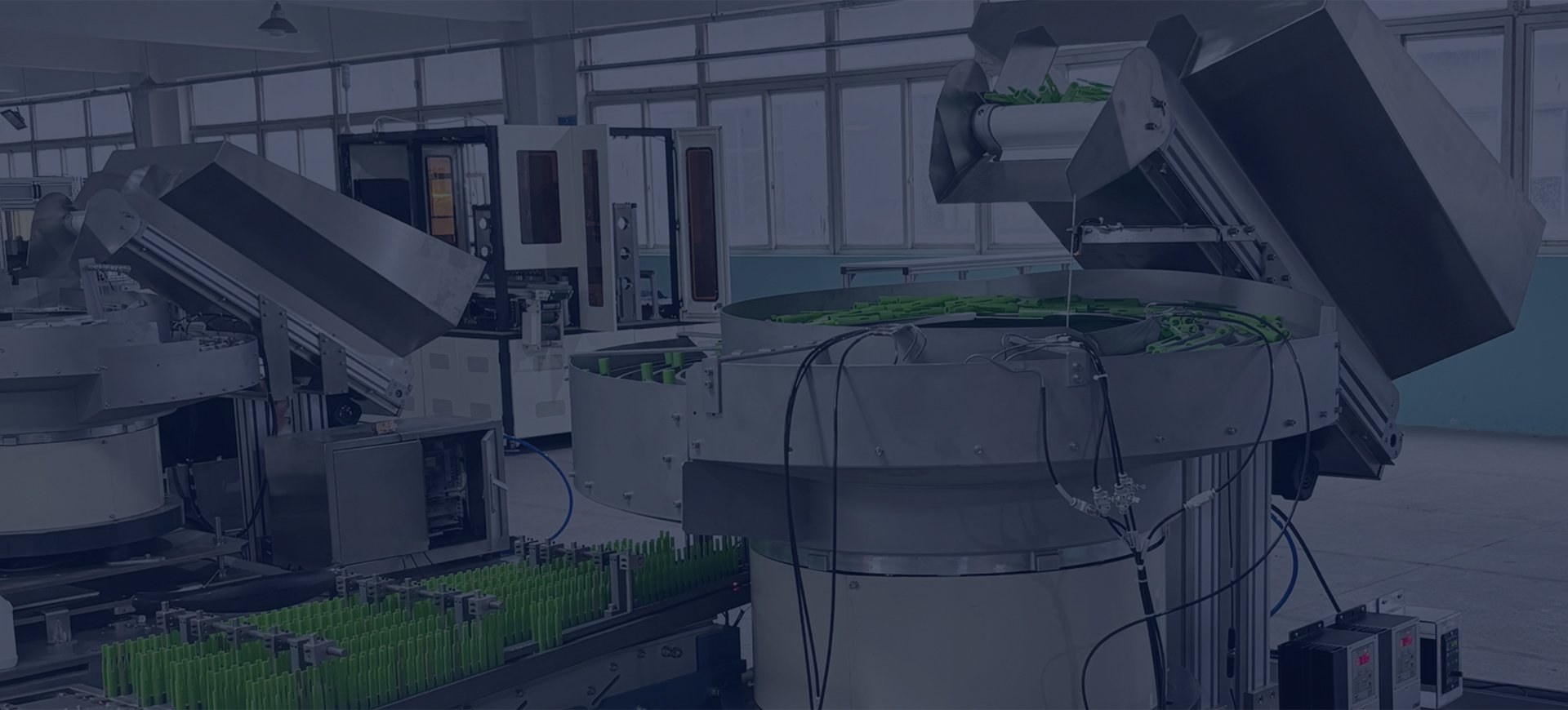
Interface engineering
Frequently asked questions
Final suitability and performance remain subject to the actual component, operating conditions and agreed acceptance criteria.
Ask about your component →Yes. The feeder creates a buffer and an escapement isolates one part at the hand-off. Sensors confirm availability and release status to the receiving process.
Yes. A sensor count and gate can accumulate or release a defined quantity in response to each demand signal.
Yes. Parts can be presented at a repeatable pick point, in a nest, on a linear track or on a vision-guided platform, depending on pose and cycle requirements.
Typical signals include ready, demand, part available, batch complete, low level, fault and reset. The final handshake is agreed with the machine controls provider.
Yes. A pushbutton, guarded footswitch, pick-to-light station or production instruction can request the next quantity, with suitable safety and error-proofing.
Start with the component
We will identify the most credible feeding and counting route, then define the evidence needed for the next decision.